Are you eyeing a skyline or Riverwalk view and wondering whether a cash offer really beats financing in a Downtown Tampa high‑rise? You are not alone. In amenity‑rich towers, sellers often prize certainty and speed, while buyers try to balance risk, budget, and timelines. In this guide, you will learn how cash and financed offers stack up in Downtown Tampa condos, what sellers value, and how to craft a winning strategy either way. Let’s dive in.
Downtown Tampa high‑rises: what is different
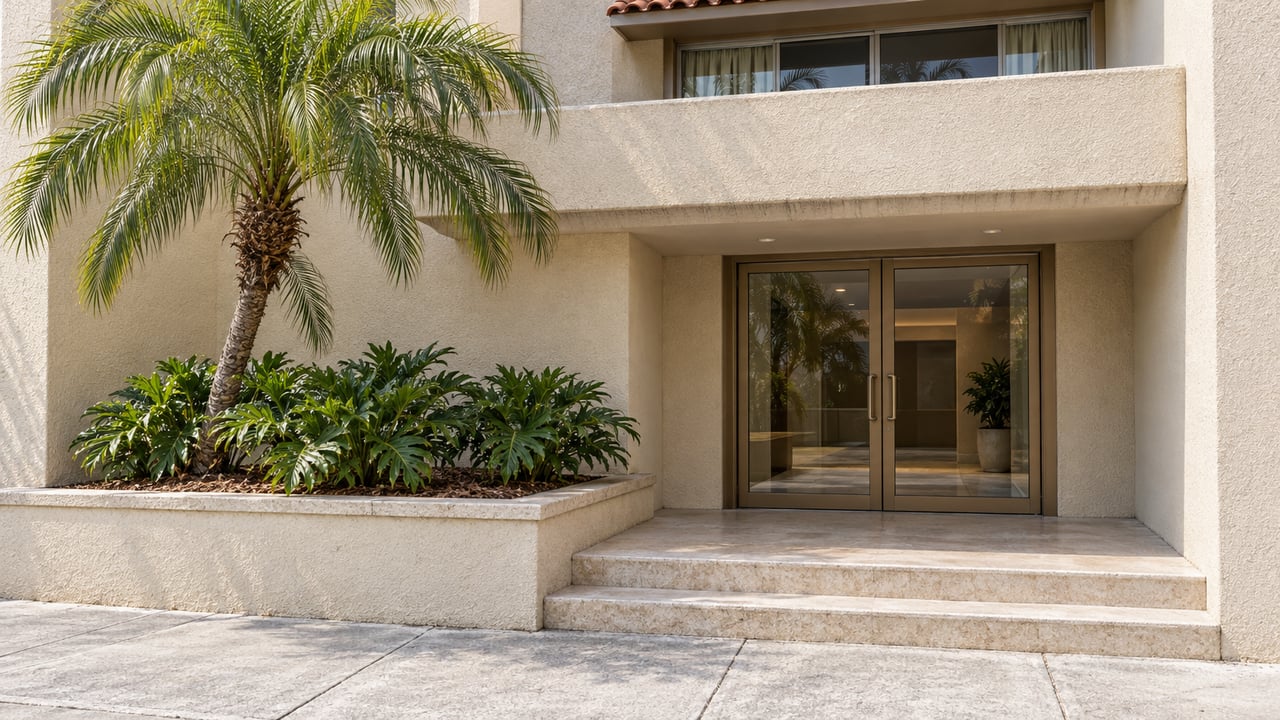
High‑rise condos in Downtown Tampa are not like single‑family homes. Many towers offer concierge services, pool and fitness amenities, parking, storage, and sometimes private elevators. Association management handles common areas, and monthly condo fees reflect those services. Buyer types can vary by building, including owner‑occupants, second‑home owners, and investors.
Building rules and financials matter a lot. You will often review budgets, reserve studies, bylaws, meeting minutes, special assessments, litigation disclosures, insurance certificates, and rental or occupancy policies. Reserve levels, deferred maintenance, or litigation can affect your willingness to proceed and can trigger project reviews for lenders.
Location and risk factors also influence pricing and lending. Proximity to the river and bay, views, walkability, flood zone and elevation, hurricane exposure, and the local insurance market can all shape underwriting and monthly costs.
Cash vs. financed: key differences
Closing certainty
Cash offers typically carry higher perceived certainty because there is no mortgage approval at stake. Sellers often see less risk of failure from financing, credit, or project underwriting issues. Financed offers can be strong as well, but they come with lender conditions that add potential friction. A fully underwritten pre‑approval reduces risk, though it does not remove it.
Appraisal and appraisal gaps
With financing, your lender requires an appraisal. If it comes in below contract price, you must cover the gap, negotiate a new price, or cancel if you have an appraisal contingency. In unique towers where recent comparable sales are limited or finishes are highly customized, appraisals can be challenging. Cash buyers may choose to skip a formal appraisal and can waive appraisal contingencies, which removes one major uncertainty for sellers. Many cash buyers still order a private valuation for peace of mind.
Contingencies that matter
Common contingencies include financing, appraisal, inspection, condo document review, estoppel and HOA statement review, and sometimes the sale of your current home. Condo document review is especially important in Downtown Tampa high‑rises and can take longer than a standard home inspection. Associations may need days to produce complete packets, and lenders may need additional time to review them.
Timeline to close
Cash can be fast. If title is clear and the HOA estoppel arrives promptly, cash closings often happen in 7 to 21 days. Financing typically takes about 30 to 45 days under normal conditions. Condo underwriting and project‑level documentation can add 1 to 2 weeks, especially when a lender needs more time to review association financials or insurance.
Costs and transactional friction
Financing adds costs such as origination fees, appraisal fees, mortgage recording or intangible taxes, and possible mortgage insurance. Lender‑required repairs can also come up. Sellers may view financed offers as more likely to reopen negotiations after appraisal or lender conditions. In response, sellers may ask for larger earnest money deposits or appraisal gap provisions.
Condo lending hurdles
Condos face specific eligibility rules with Fannie Mae, Freddie Mac, FHA, and VA. Lenders look at reserves, owner‑occupancy ratios, delinquency rates, rental concentration, insurance coverage, and litigation. If a building is not approved, a lender may try a file‑level review or decline the loan. High investor ratios, low reserves, or pending special assessments can create delays or denials. Insurance coverage and hurricane‑related risk also influence both monthly costs and lender confidence.
How sellers evaluate offers in these towers
Sellers in Downtown Tampa typically aim to reduce fall‑through risk and keep timelines tight. The top levers they value include:
- Certainty of close, whether cash or strong financing
- Speed to close, including shorter inspection and financing deadlines
- Fewer or shorter contingencies, especially appraisal and condo review
- Strong, verifiable proof of funds and ability to close
- Protection against appraisal shortfalls through clear gap coverage
- Flexibility on closing date or willingness to consider a leaseback
Condo‑specific issues often surface early. Estoppel timing can delay closings if not ordered promptly. Pending assessments for roofs, façades, elevators, or hurricane retrofits can be major negotiation points. Litigation or structural remediation can push some lenders away and may shift leverage toward cash.
How to make a financed offer win
You can compete with cash if you reduce uncertainty for the seller. Consider these steps:
- Ask your lender for a fully underwritten pre‑approval. This shows your documentation has been reviewed and conditionally approved, subject to the appraisal and property review.
- Offer a meaningful earnest money deposit to show commitment.
- Shorten contingency periods where practical. You can compress the inspection window, expedite the condo document review, and set firm financing deadlines.
- Include a clear appraisal gap clause. Define a maximum dollar amount or percentage you will cover if the appraisal falls short, and detail how you will fund it.
- Offer to pay certain closing costs or HOA fees that the seller might otherwise handle, including transfer or estoppel fees where appropriate.
- Limit the appraisal contingency only if you fully understand the risk and have the liquidity to cover potential gaps.
- Provide proof of funds for your down payment and reserves so the seller sees your readiness.
These steps can help a financed offer match or even beat a cash offer in the seller’s eyes, especially when you pair them with responsive communication and clean contract terms.
How cash buyers should negotiate
Cash offers can trade speed and certainty for price or terms. You can:
- Propose a faster closing or offer flexible settlement timing if the seller needs it.
- Leverage your ability to waive an appraisal contingency to reduce the seller’s risk and strengthen your position.
- Consider an “as‑is” approach or a limited inspection contingency. Be cautious, since high‑rises can have structural or water intrusion issues that warrant targeted inspections.
- Provide immediate proof of funds and offer to cover certain HOA fees to simplify the transaction.
- Order a private valuation to set clear negotiating limits.
Common scenarios and outcomes
- Scenario A: Multiple offers include a clean cash offer and a financed offer with standard contingencies. The seller often selects cash unless the financed offer includes appraisal gap coverage and faster timelines.
- Scenario B: A financed buyer presents fewer contingencies, a larger earnest money deposit, and appraisal gap protection. This offer can match or exceed a cash offer if the timeline is competitive.
- Scenario C: The building has project issues such as low reserves or pending litigation. Conventional lenders may pause. A cash buyer may be the most viable path to closing, unless the buyer pursues a portfolio or non‑agency loan.
Practical checklists by buyer and seller type
Financed buyers
- Secure an underwritten pre‑approval with explicit confirmation that your lender can handle condo project reviews
- Ask your lender about project eligibility and any extra documentation that might add time
- Decide your maximum exposure for an appraisal gap before you write an offer
- Shorten inspection and condo review windows where it makes sense; use a knowledgeable advisor for document review
- Verify insurance costs, including wind and flood, and include them in your monthly budget
- Request HOA documents early and confirm any assessments, litigation, or major capital projects
Cash buyers
- Prepare clear proof of funds, such as verified statements or escrow letters
- Consider a private valuation to establish your top price and limit risk
- Decide on inspection scope; if you limit inspections, consider targeted checks for structural and water issues
- Confirm title and HOA estoppel timing, since HOA turnaround can still delay a cash closing
Sellers
- Gather your HOA estoppel, budget, reserve study, meeting minutes, and recent communications for buyers as early as possible
- Weigh financed offers that include strong pre‑approvals and appraisal gap protection
- Compare each offer’s closing certainty, timeline, and your personal move needs
- Disclose known building issues, assessments, or litigation to avoid surprises that can derail a deal
Clauses and timelines to expect
- Inspection period: often 7 to 10 days; sellers may prefer shorter windows in competitive settings
- Financing contingency: commonly 10 to 21 days to secure underwriting confirmations
- Appraisal contingency: can include a defined cure period or appraisal gap terms
- Condo document review: 5 to 14 days for buyer review, but obtaining a complete packet can take longer depending on the association
- Closing date: cash often 7 to 21 days; financed typically 30 to 45 days, adjusted for lender and condo project review
Red flags that can sink financed deals
- Building is not approved by conventional agency investors and the lender declines file‑level approval
- High owner delinquency rates or low reserves in association financials
- Active or significant litigation against the association
- Large, unbudgeted special assessments or major imminent projects
- Insurance gaps or inadequate master policy coverage
Next steps in Downtown Tampa
Your best offer is the one that balances certainty, speed, and risk for the specific building you love. Start by confirming the association’s financial health, insurance coverage, and any assessments. If you are financing, tighten contingencies and bring a real appraisal strategy. If you are paying cash, consider targeted inspections and flexible timing to secure the seller’s yes.
If you want a tailored plan for your target tower, reach out to Vincent Zeoli Homes. You will get local, hands‑on guidance designed to reduce stress and help you win the condo you want. Let’s Connect.
FAQs
What is an HOA estoppel in a Tampa condo sale?
- An estoppel is a statement from the association that confirms fees, assessments, delinquencies, and other financial details; it is required for closing and can affect timing.
How fast can a cash condo purchase close in Downtown Tampa?
- Many cash deals close in 7 to 21 days if title is clear and the HOA estoppel arrives on time; association delays can extend that timeline.
What is an appraisal gap clause in a financed offer?
- An appraisal gap clause states how much you will pay if the appraisal is below contract price, which reduces the seller’s risk of renegotiation or cancellation.
How do special assessments impact condo negotiations?
- Known or pending assessments are often major negotiation points; buyers may seek credits or price adjustments, and lenders review them during underwriting.
Can I rent out a Downtown Tampa condo after closing?
- It depends on the building’s rental and occupancy rules; some towers are investor‑friendly, while others have strict restrictions, so review the condo documents early.
What insurance costs should I expect for a Tampa high‑rise condo?
- Lenders and buyers review master policy coverage, wind and flood risk, and any gaps; these factors influence monthly costs and can affect loan approval.