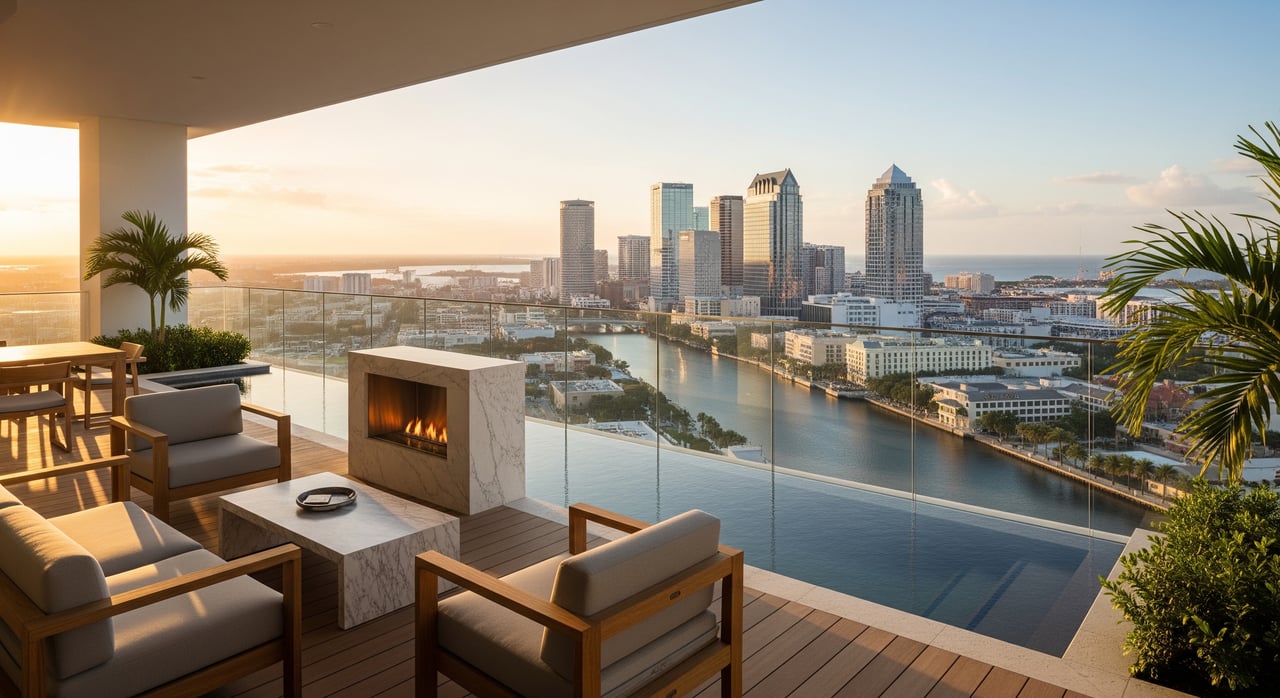
You can fall in love with a condo’s floor plan and still miss the bigger decision: the building itself. In Downtown Tampa, the right tower shapes your monthly costs, daily convenience, noise exposure, and long-term resale value. If you want walkable perks near the Riverwalk and Amalie Arena without surprise fees or rules that don’t fit your life, you need a focused plan. This guide gives you a simple, Tampa-specific checklist to compare buildings with confidence.
Let’s dive in.
Start with your priorities
Before you tour, write down what matters most so you can quickly rule buildings in or out.
- HOA fee level vs. amenity set
- Deeded, covered parking vs. ultimate walkability
- Pet policy flexibility vs. strict rules
- Rental flexibility vs. primarily owner-occupied
- River, bay, or skyline views vs. lower floor pricing
- Quiet nights vs. proximity to Amalie Arena and nightlife
- EV charging now vs. potential to add it later
- Flood and wind insurance costs vs. view and location trade-offs
Circle your top three, then mark any deal-breakers. This keeps you focused when options start to blend.
Compare amenities and services
Amenities are great, but they also influence HOA fees and daily flow.
- List what’s included: gym, pool, rooftop lounge, concierge, package room, business center, guest suites, bike storage, and private storage.
- Ask how access works: hours, guest policies, and reservation systems for busy spaces.
- Confirm whether amenities are shared with commercial tenants in mixed-use properties.
- Note who manages the building and for how long. Professional management can streamline maintenance and communication.
Why it matters: You pay for the amenities in your monthly dues. The right mix balances your lifestyle with sustainable costs.
Building systems and maintenance
Dig into the building’s backbone. Systems determine future assessments and comfort.
- When were the roof, elevators, HVAC equipment, plumbing stacks, and windows last updated?
- Is there a recent reserve study outlining upcoming capital needs and timelines?
- Are any capital projects or special assessments planned or in progress? Why, and how will they be funded?
Strong reserves and a clear plan suggest fewer surprises. Thin reserves and repeated special assessments can raise costs and spook future buyers.
Security, staffing, and access
Security features and staffing levels affect convenience and dues.
- Look for key fob entries, cameras, a staffed front desk, and gated parking.
- Ask whether staffing is 24/7 or business hours only.
- If valet is offered, understand costs and guest procedures.
Match the security level to your comfort and budget. More staff and services often mean higher monthly fees.
Unit-level factors that change daily life
Two units in the same tower can feel completely different.
- Views and orientation: riverfront, bay, skyline, or interior courtyard. Confirm whether planned development could block views.
- Sound exposure: buildings near Amalie Arena, Channelside, rail lines, or major roads can be livelier. Ask about double-pane windows and sound insulation.
- Natural light and balconies: note window size, direction, and whether the balcony is actually usable.
Small differences add up in day-to-day comfort and resale appeal.
Parking, storage, and EV readiness
Downtown driving and event traffic make parking a key factor.
- Parking type: deeded vs. assigned, covered vs. uncovered. Check for tandem spots and how that works with guests.
- Guest parking: availability, time limits, permits, or paid visitor options.
- EV charging: on-site stations or policies for owner-installed chargers.
- Storage: private lockers, bike rooms, and associated fees.
Tip: Visit during an event to see real parking pressure and guest access in action.
Pets, rentals, and occupancy rules
Rules shape your lifestyle and future options.
- Pet policy: size and number limits, breed restrictions, and pet fees. Review rules for service and emotional support animals.
- Rental policy: minimum lease terms, waiting periods after purchase, and any cap on the percentage of rented units.
- Short-term rentals: many associations restrict them or require permits. Verify current rules.
These policies affect your flexibility, the building’s vibe, and even mortgage options for some lenders.
HOA finances and legal due diligence
The association’s financial health is one of the biggest drivers of future costs and resale risk.
Ask the listing agent or association for:
- Current and prior-year budgets with line items
- Latest reserve study and current reserve balance
- Meeting minutes for the last 12 to 24 months
- Certificate of insurance showing coverage, limits, and deductibles
- Estoppel certificate with current assessments, fees, and any arrears
- Governing documents: declaration, bylaws, rules, pet and rental policies
- Management contract and scope of services
Analyze for:
- Special assessments: frequency and reasons
- Reserve funding vs. upcoming capital needs
- Delinquency rate on dues
- Insurance deductibles, especially hurricane/wind percentages
- Litigation risk: construction defects or active lawsuits
Use public records to double-check. The Hillsborough County Clerk of the Circuit Court provides access to lawsuits and judgments. For statutory rights and governance rules, review Chapter 718 of the Florida Condominium Act and consult a Florida real estate attorney for interpretation.
Location, walkability, and transit
Downtown Tampa offers a strong mix of offices, residences, dining, and entertainment near the Riverwalk, Amalie Arena, and the Florida Aquarium. That convenience can also bring event-driven noise and traffic near certain buildings, so factor both into your decision.
- Use Walk Score as a quick proxy for nearby groceries, restaurants, parks, and services.
- Check HART routes and frequency on the HART maps and schedules page.
- If you frequent Ybor City or Channelside, confirm proximity to TECO Line Streetcar stops.
- Consider real commute times at peak hours if you work outside downtown.
- For event exposure and community updates, the Tampa Downtown Partnership is a helpful resource.
The right block can save you time daily and boost future renter and buyer appeal.
Flood, storms, and insurance
Downtown Tampa’s coastal location carries hurricane and storm-surge risk. Insurance is a key budget item.
- Confirm the flood zone and base flood elevation on the FEMA Flood Map Service Center.
- Understand coverage: the association’s master policy typically covers the building structure and common areas. Your HO-6 policy covers interiors and personal property, and may include loss assessment.
- Review the master policy’s hurricane/wind deductible. High deductibles can shift larger post-storm costs to owners.
Insurance details impact your monthly costs and financial resilience after a storm.
Onsite visits and resident insight
Buildings look different in person and at different times.
- Visit on a weekday afternoon and a weekend evening to compare noise, traffic, and elevator wait times.
- Check lobby, corridors, elevators, and amenities for cleanliness and upkeep.
- If possible, speak with residents about communication from the board, transparency on assessments, and overall satisfaction.
Well-maintained common areas often reflect strong management and attentive boards.
Financing checks for condos
Not every condo qualifies for every loan type. Ask your lender early whether the building meets project eligibility standards. Get clarity on:
- Owner-occupancy ratios and rental caps that may affect lending
- Budget strength, reserves, and any ongoing litigation
- Insurance coverage and deductibles that affect lender risk
Early answers can prevent delays and keep your offer competitive.
Build a side-by-side comparison
Create a simple spreadsheet so you can compare apples to apples for each building:
- Building name, address, year built, elevator count
- Number of units and typical unit sizes
- HOA fee and what it covers
- Reserve study date and reserve balance status
- Recent or pending special assessments
- Rental and pet policies
- Parking type, guest parking, EV readiness
- Amenities list and whether they are shared
- Security and staffing level
- Flood zone and master insurance deductible type
- Distance to Riverwalk, Amalie Arena, TECO streetcar stop, HART bus stop, and your workplace
- Noise and event exposure notes
- Management company name and board structure
You can also cross-check ownership details on the Hillsborough County Property Appraiser site for context.
Red flags to pause on
- Repeated or large special assessments with no long-term fix
- Low or insufficient reserves paired with near-term capital needs
- High HOA delinquency rates
- Ongoing construction-defect or major litigation
- Very restrictive rental or pet rules that don’t fit your plans
- Unclear master insurance coverage or very high hurricane deductibles
- Tandem or limited parking that complicates daily life and resale
Your next step
Choosing the right Downtown Tampa condo building is equal parts lifestyle and due diligence. Prioritize your must-haves, collect the same data for each tower, read the financials closely, and pressure-test parking, noise, and transit in person. With a thoughtful process, you’ll land on a building that fits your life today and protects your investment tomorrow.
If you want a local, hands-on partner to help you compare buildings, coordinate showings at smart times, and navigate condo disclosures with clarity, reach out to Vincent Zeoli. Let’s Connect.
FAQs
What should I check first when comparing Downtown Tampa condo buildings?
- Start with your top three priorities, then review HOA budgets, reserve studies, insurance deductibles, parking, pet and rental rules, and flood zone status to narrow your list quickly.
How do I find a building’s flood zone in Downtown Tampa?
- Search the address on the FEMA Flood Map Service Center to confirm the flood zone and base flood elevation, which influence insurance requirements and premiums.
Where can I verify HOA litigation or special assessments?
Are short-term rentals common in Downtown Tampa condos?
- Many associations restrict or prohibit short-term rentals and may require registration or permits; always review current condo rules and minimum lease terms before you buy.
How can I estimate walkability and transit before touring?
What insurance documents should I review for a condo purchase?
- Request the association’s certificate of insurance to see coverage and deductibles, then consult your insurer about HO-6 and potential flood insurance needs based on the building’s flood zone.